01
Prepare.
Position. Organize. Scan.
Establish the best starting position for the developing picture, organize the defensive unit and gather information before the decisive action occurs.
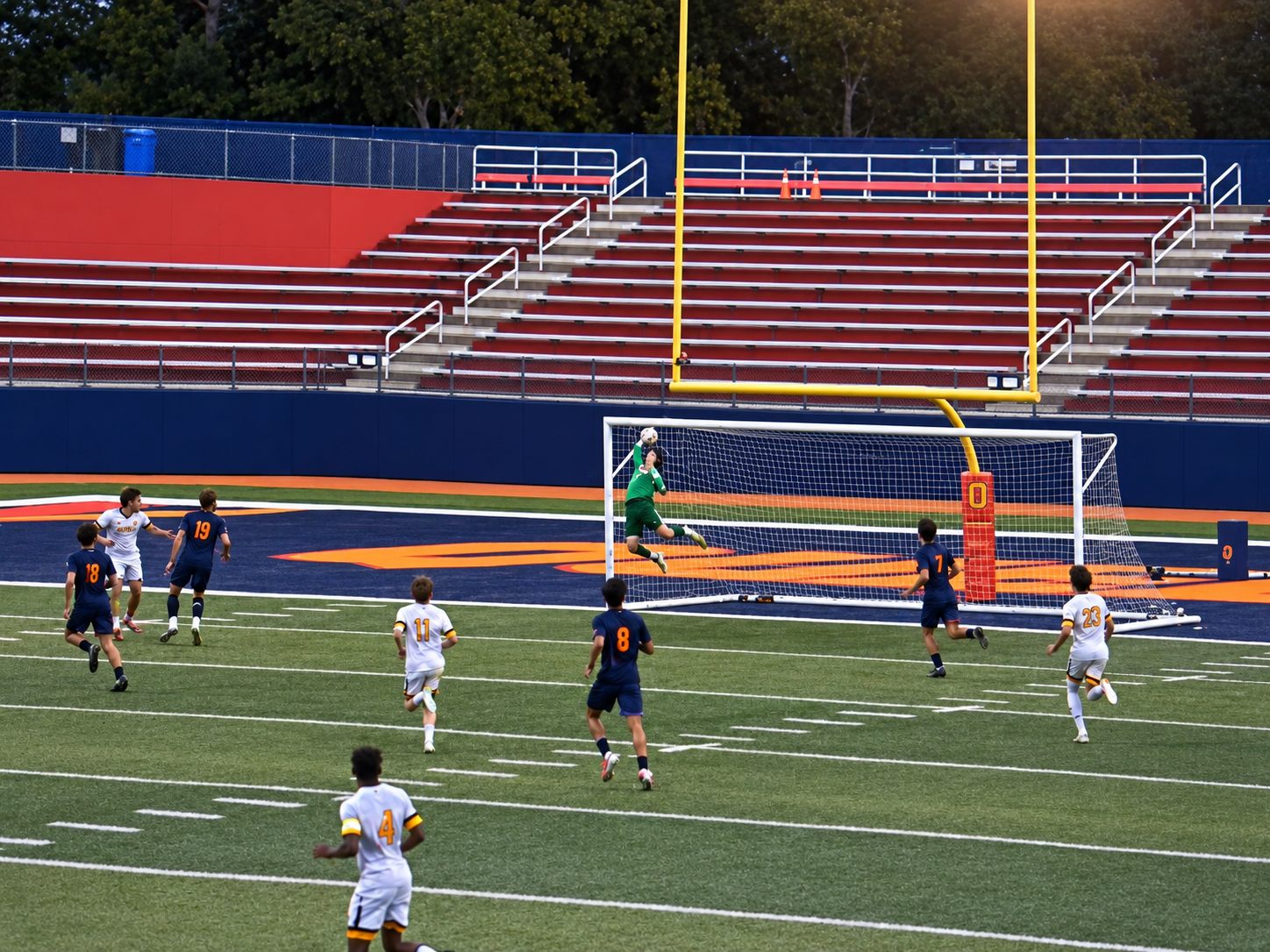
Goalkeeping is not a collection of isolated techniques. It is a continuous cycle of preparation, information, decision-making, execution and reflection. AT GK Academy trains that cycle.
A goalkeeper acts on information. Position, pressure, space, teammates, opponents, ball speed and body shape all influence what happens next. The technical action is only the final part of the problem.
That is why our sessions connect technique to the picture that creates it. Repetition still matters, but the goalkeeper must also learn what to see, when to act and why one intervention is better than another.
Every goalkeeper action can be understood through the same five stages. The language stays consistent from foundational training through high-performance environments.
Establish the best starting position for the developing picture, organize the defensive unit and gather information before the decisive action occurs.
Read the ball, the attacker, supporting runs, defensive pressure and available space. Better information gives the goalkeeper more time and better options.
Choose whether to hold, move, engage, delay, claim, sweep, distribute or stay. The correct technique begins with the correct decision.
Apply the footwork, set position, handling, diving, 1v1, crossing or distribution action required by the moment—with timing and purpose.
Evaluate the process, not only the outcome. What information was available? Was the position right? Was there a better option? Use the answer to shape the next action.
The AT GK methodology is also informed by a long-term development guide built around goalkeeper identity, four connected areas of concentration and age-appropriate objectives. The aim is to develop a complete goalkeeper whose technical actions, tactical understanding, physical qualities and psychological habits grow together.
These traits are not a selection checklist. They are qualities we want goalkeepers to build over time through training, competition, feedback and reflection.
Footwork, set position, handling, diving, 1v1 actions, crosses and distribution—the movement and execution tools required to solve goalkeeper problems.
Starting position, angle play, communication, game management, defending space, reading pressure and understanding the goalkeeper's relationship with the team.
Coordination, mobility, athleticism, explosiveness, strength and the capacity to execute repeated high-intensity goalkeeper actions.
Motivation, confidence, leadership, concentration, bravery, competitiveness and the ability to respond positively when the position becomes difficult.
The role changes constantly during a match. Training has to prepare the goalkeeper to solve problems in front of goal, behind the defensive line and in possession.
Positioning, set timing, footwork, handling, diving, rebounds and shot-stopping actions.
Starting positions, 1v1s, through balls, crosses, sweeping and controlling space behind and around the defensive line.
Scanning, receiving, first touch, passing, throwing, longer distribution and supporting the team's build-up.
Communication, organization, set pieces, information, tempo and helping teammates solve the picture in front of them.
Technical repetition has value, but transfer happens when goalkeepers recognize the same information and decisions they will encounter in the game.
Training priorities should change with the goalkeeper, the competitive calendar and what the game is currently demanding. AT GK uses periodization to organize technical, tactical, physical and psychological development over time rather than treating every session as an isolated event.
The development guide also uses a goalkeeper-specific microcycle around match day: preparation, match performance, recovery and video reflection, strength work, team principles and goalkeeper-specific training are balanced across the week.
Build or refine the technical and perceptual tools required for the problem.
Layer in decisions, pressure, movement, teammates and opponents.
Prepare for the speed, specificity and consequences of match actions.
Use observation, feedback and video to identify what should be reinforced or changed next.
These areas are never treated as isolated boxes. They interact inside the game and are trained according to the goalkeeper's current needs.
The same goalkeeper principles stay in place as the player develops. What changes is the technical demand, tactical responsibility, physical load and psychological ownership expected at each stage.
Learn the basic goalkeeper techniques while developing confidence, coordination and a positive relationship with the position.
Develop the full technical toolbox and begin applying it under greater pressure, movement and game complexity.
Refine technique, connect starting position to pressure and space, and build the routines required for consistent performance.
Operate in the fine margins: technical mastery, full tactical understanding, consistent match performance and preparation for the next level.
Results can mislead. A goal conceded can still contain a strong goalkeeper action; a save can hide a poor starting position or decision. Reflection separates the outcome from the process.
Coach feedback and video help the goalkeeper identify recurring patterns, understand why an action succeeded or failed and carry a clear takeaway into the next training or match environment. Reflection logs and periodic individual development reviews help turn those observations into longer-term priorities.
Explore Video Analysis